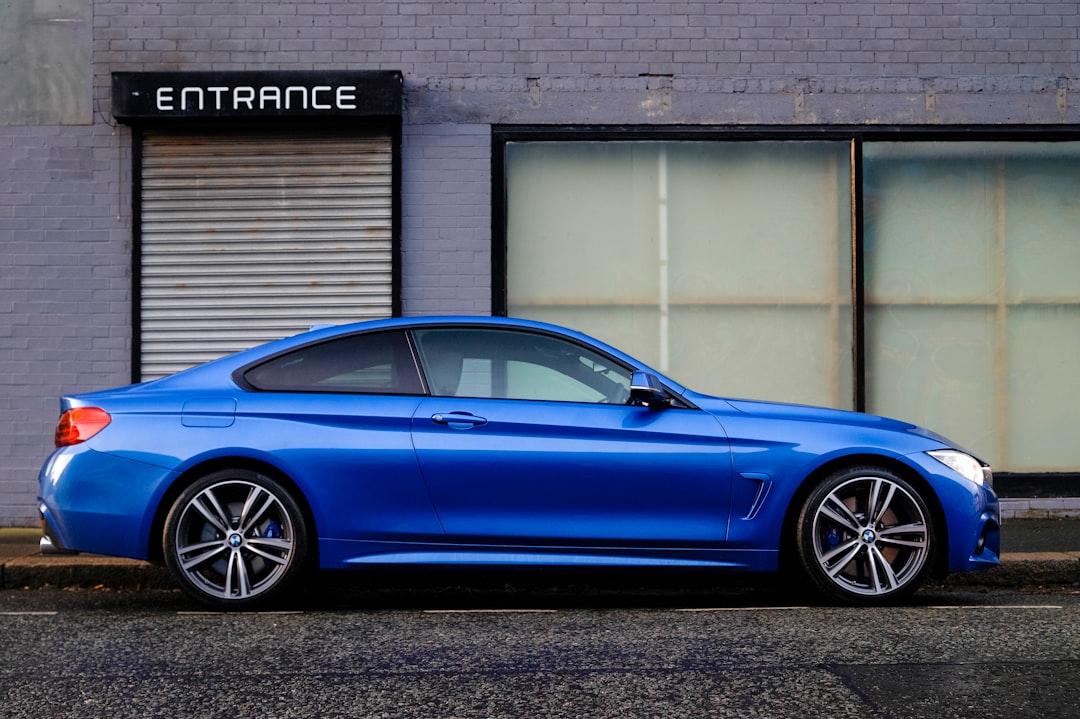
Car leasing has become an increasingly popular option for business owners in New York City, particularly due to the flexibility and financial advantages it offers. Unlike purchasing a vehicle outright, leasing allows businesses to use a car for a specified period while making monthly payments that are often lower than traditional auto loans. This arrangement can be particularly beneficial for entrepreneurs who require reliable transportation without the burden of long-term ownership. In a bustling metropolis like NYC, where parking is limited and public transportation is readily available, leasing can provide a practical solution for business owners who need a vehicle for client meetings, deliveries, or other operational needs.
Leasing also allows business owners to drive newer models equipped with the latest technology and safety features. This can enhance the professional image of a business, as clients and partners often appreciate the reliability and aesthetics of newer vehicles. Additionally, leasing typically includes warranties and maintenance packages, which can further reduce the overall cost of ownership. For business owners in Brooklyn and beyond, understanding the nuances of car leasing is essential to making informed decisions that align with their financial goals.
For business owners in NYC considering car leasing, understanding the tax benefits can significantly impact your financial decisions. A related article that delves deeper into the advantages of leasing vehicles for business purposes is available at this link: SUV with Bucket Seats. This resource provides valuable insights that can help you maximize your tax deductions while ensuring you choose the right vehicle to meet your business needs.
Tax Deductions and Benefits for Business Owners Leasing Cars in NYC
One of the most significant advantages of leasing a car for business purposes in NYC is the potential for tax deductions. Business owners can often deduct a portion of their lease payments on their federal tax returns, which can lead to substantial savings. The IRS allows businesses to deduct the business-use percentage of the lease payments, making it crucial for owners to accurately track their vehicle usage. For instance, if a business owner uses their leased vehicle 70% of the time for business purposes, they can deduct 70% of their lease payments from their taxable income.
Moreover, additional expenses related to the leased vehicle, such as maintenance, fuel, and insurance, may also be deductible. This means that business owners can significantly reduce their taxable income by taking advantage of these deductions. However, it is essential to maintain meticulous records of all expenses associated with the vehicle to ensure compliance with IRS regulations. By leveraging these tax benefits, business owners in Brooklyn can optimize their financial strategies while enjoying the convenience of a leased vehicle.
Depreciation and Its Impact on Car Leasing Tax Benefits
Depreciation plays a crucial role in understanding the tax benefits associated with car leasing. When a business leases a vehicle, they are not directly responsible for its depreciation; instead, the leasing company retains ownership and bears that cost. This distinction is important because it means that business owners do not have to account for depreciation when calculating their tax deductions. However, it is essential to understand how depreciation affects the overall cost of leasing.
The IRS has established guidelines regarding the maximum allowable deduction for leased vehicles based on their fair market value. This means that if a leased vehicle has a higher value, the deduction may be limited. Business owners should be aware of these limitations when selecting a vehicle to lease. By choosing a car with a lower fair market value or one that qualifies for special deductions, such as electric vehicles, business owners can maximize their tax benefits while minimizing their overall costs.
When considering whether to lease or buy a vehicle, business owners in NYC must weigh the tax benefits associated with each option. Leasing typically offers more immediate tax advantages due to lower monthly payments and the ability to deduct a portion of those payments from taxable income. In contrast, purchasing a vehicle allows for depreciation deductions over time but requires a larger upfront investment and higher monthly payments.
For many business owners, leasing may be the more attractive option due to its flexibility and lower initial costs. Additionally, leased vehicles often come with warranties that cover maintenance and repairs, further reducing out-of-pocket expenses. However, purchasing a vehicle may be more beneficial for those who plan to keep it long-term and want to build equity in an asset. Ultimately, the decision between leasing and buying should be based on individual financial circumstances and business needs.
How to Maximize Tax Benefits When Leasing a Car for Business in NYC
To maximize tax benefits when leasing a car for business purposes in NYC, business owners should adopt several strategies. First and foremost, it is essential to keep detailed records of all expenses related to the leased vehicle. This includes tracking mileage for both personal and business use, as well as maintaining receipts for fuel, maintenance, and insurance costs. Accurate record-keeping will ensure that business owners can substantiate their deductions during tax season.
Additionally, selecting a vehicle that qualifies for special tax incentives can further enhance tax benefits. For example, electric or hybrid vehicles may offer additional deductions or credits that can significantly reduce overall tax liability. Business owners should also consider consulting with a tax professional who specializes in auto leasing to identify potential deductions and ensure compliance with IRS regulations. By taking these proactive steps, business owners can optimize their tax benefits while enjoying the convenience of a leased vehicle.
For business owners in NYC considering car leasing, understanding the tax benefits can significantly enhance financial planning. A related article that delves deeper into this topic is available at Signature Auto World, where you can explore how leasing a vehicle can provide substantial deductions and advantages for your business. This resource offers valuable insights into maximizing your tax benefits while enjoying the flexibility of leasing a luxury car.
Tax Implications of Mileage and Usage for Leased Cars in NYC
Mileage and usage are critical factors that influence the tax implications of leased cars in NYThe IRS requires business owners to differentiate between personal and business mileage when calculating deductions. This distinction is vital because only the portion of mileage used for business purposes is eligible for deduction. Business owners should maintain a detailed log of their mileage to accurately report usage during tax season.
In addition to mileage tracking, it is essential to understand how excessive mileage can impact lease agreements. Most leases come with mileage limits, typically ranging from 10,000 to 15,000 miles per year. Exceeding these limits can result in costly penalties at the end of the lease term. Therefore, business owners should carefully consider their driving habits and choose a lease agreement that aligns with their expected usage. By managing mileage effectively and adhering to lease terms, business owners can avoid unexpected costs while maximizing their tax benefits.
For business owners in NYC considering car leasing, understanding the tax benefits can significantly impact your financial strategy. A related article that delves into the specifics of these advantages can be found at Signature Auto World, where you can explore various leasing options and how they can be tailored to meet your business needs. By leveraging these insights, you can make informed decisions that enhance your operational efficiency while maximizing potential tax deductions.
Documenting and Reporting Leased Car Expenses for Tax Purposes in NYC
Proper documentation and reporting of leased car expenses are crucial for business owners seeking to maximize their tax benefits in NYThe IRS requires businesses to maintain accurate records of all expenses related to leased vehicles, including lease payments, fuel costs, maintenance fees, insurance premiums, and any other associated expenses. Keeping organized records will not only simplify the tax filing process but also provide necessary documentation in case of an audit.
Business owners should consider using accounting software or apps designed specifically for tracking vehicle expenses. These tools can help streamline record-keeping by automatically logging mileage and categorizing expenses. Additionally, maintaining a mileage log that distinguishes between personal and business use will ensure compliance with IRS regulations. By diligently documenting and reporting leased car expenses, business owners can substantiate their deductions and optimize their overall tax strategy.
Sales Tax Considerations for Leased Cars in NYC
Sales tax is another important consideration when leasing cars in NYUnlike purchasing a vehicle outright, where sales tax is typically paid upfront based on the purchase price, sales tax on leased vehicles is calculated differently. In New York City, sales tax is applied to each monthly lease payment rather than the total value of the vehicle. This means that business owners should factor sales tax into their monthly budget when considering leasing options.
It is also essential to understand how sales tax rates may vary based on location within NYC or surrounding areas like Brooklyn or Queens. Business owners should consult local regulations or work with a knowledgeable car lease broker like Signature Auto Group to ensure they are aware of any applicable sales tax rates and how they impact overall leasing costs. By understanding sales tax implications, business owners can make informed decisions about leasing vehicles while effectively managing their budgets.
Understanding the Tax Treatment of Upfront Costs and Fees for Leased Cars in NYC
When leasing a car in NYC, upfront costs and fees can significantly impact overall expenses and tax treatment. Common upfront costs include security deposits, acquisition fees, and first-month payments. While some of these costs may be deductible as business expenses, others may not be eligible for deduction under IRS guidelines.
For instance, security deposits are generally not deductible since they are refundable at the end of the lease term. However, acquisition fees may be deductible if they are considered necessary expenses related to obtaining the lease. Business owners should carefully review their lease agreements and consult with a tax professional to determine which upfront costs are deductible and how they should be reported on their tax returns. By understanding the tax treatment of these costs, business owners can better manage their finances while maximizing potential deductions.
Tax Benefits of Leasing Electric or Hybrid Cars for Business Owners in NYC
Leasing electric or hybrid cars presents unique tax benefits for business owners in NYC that can significantly enhance overall savings. The federal government offers various incentives for businesses that choose environmentally friendly vehicles, including tax credits that can offset leasing costs. For example, businesses may qualify for a federal tax credit based on the battery capacity of electric vehicles (EVs), which can lead to substantial savings.
Additionally, many states offer additional incentives or rebates for electric or hybrid vehicles that further reduce overall costs. In New York State specifically, there are programs designed to encourage businesses to adopt green technologies by providing financial incentives for electric vehicle purchases or leases. By taking advantage of these incentives, business owners not only contribute positively to environmental sustainability but also enjoy significant financial benefits that enhance their bottom line.
Working with a Tax Professional to Navigate Car Leasing Tax Benefits in NYC
Navigating the complexities of car leasing tax benefits can be challenging for many business owners in NYWorking with a qualified tax professional who specializes in auto leasing can provide invaluable guidance throughout the process. A knowledgeable tax advisor can help identify potential deductions specific to leased vehicles while ensuring compliance with IRS regulations.
Moreover, a tax professional can assist in developing strategies tailored to individual business needs that maximize available benefits while minimizing liabilities. They can also provide insights into changes in tax laws or regulations that may impact leasing decisions moving forward. By collaborating with an experienced tax professional like those at Signature Auto Group, business owners can confidently navigate the intricacies of car leasing while optimizing their financial strategies.
In conclusion, understanding the intricacies of car leasing as it pertains to taxation is essential for business owners operating in New York City. From recognizing potential deductions to navigating sales tax implications and upfront costs, there are numerous factors at play when it comes to maximizing financial benefits through leasing arrangements. By maintaining accurate records and working closely with professionals who specialize in this area—such as Signature Auto Group—business owners can make informed decisions that align with their operational needs while optimizing their overall financial strategies.
Search Lease Deals Now!